Summer entertaining has a way of turning ordinary weekends into memorable experiences. One evening might mean neighbors dropping by for grilled burgers and cold drinks, while another could involve an all-day family celebration that stretches well past sunset. Whatever the occasion, guests tend to remember how a home feels more than any elaborate menu or expensive décor.
A comfortable environment encourages people to linger. Shaded patios invite conversation. Clean, organized kitchens make serving easier. Safe walkways and functional outdoor areas allow everyone to move naturally through the space without stress or interruption. Preparing your home for summer entertaining is really about removing friction so the gathering feels effortless.
The good news is that creating a welcoming home does not require a complete transformation. Strategic improvements, thoughtful maintenance, and attention to comfort can dramatically improve the experience for both hosts and guests. Some upgrades may be cosmetic, while others address practical concerns that become more noticeable once your home is filled with visitors.
Refreshing Indoor Spaces for Comfort and Flow
Creating a Cooler, Brighter Atmosphere
Summer light changes the way interiors feel. Rooms that seemed cozy during winter can suddenly appear dark, crowded, or worn once bright sunlight pours through the windows all day. Before hosting guests, it helps to walk through your home during the afternoon and notice what stands out.
Scuffed walls, faded paint, or uneven touch-ups are often more noticeable in natural light. Refreshing heavily used areas can instantly make the entire home feel cleaner and more open. Entryways, kitchens, dining rooms, and hallways deserve particular attention because they tend to experience the most foot traffic during gatherings.
Some homeowners try to handle every painting project themselves, but large spaces often take longer than expected, especially during busy summer schedules. Hiring an interior painting service may be worthwhile when time is limited or when ceilings, stairwells, or textured surfaces require a professional finish.
Lighter colors also help reflect heat and create a calmer environment during warm weather. Soft whites, muted greens, sandy neutrals, and pale blues tend to complement natural summer lighting particularly well. Even repainting a single accent wall can change the energy of a room.
A few small adjustments can also make interiors feel noticeably more guest-friendly:
- Rearrange furniture to create wider walking paths
- Remove oversized decorative pieces that interrupt movement
- Swap heavy curtains for lighter fabrics
- Add lamps in darker corners for evening gatherings
- Store unnecessary clutter before guests arrive
Sometimes entertaining feels stressful simply because movement through the home feels awkward. Small layout changes often solve that problem more effectively than expensive renovations.
Improving the Kitchen Experience
The kitchen naturally becomes the center of almost every gathering. Even when food is served outdoors, guests inevitably gather around counters, islands, and refrigerators. A cramped or poorly organized kitchen can quickly make hosting exhausting.
One common issue during summer entertaining is inadequate prep space. If multiple people are preparing drinks, plating food, or cleaning dishes simultaneously, congestion builds quickly. Creating dedicated zones helps considerably. One section might handle beverages while another becomes the serving area.
Storage also matters more than homeowners often realize. If every cabinet is overflowing, preparing for guests becomes frustrating because simple tasks require constant rearranging. Clearing out unused appliances or reorganizing shelves before summer can make daily hosting easier.
For families who entertain frequently, larger improvements may become worthwhile. Working with a kitchen remodel contractor can help homeowners create better traffic flow, expand seating, or improve functionality in ways that support long-term entertaining goals.
One homeowner preparing for annual Fourth of July gatherings realized her kitchen problems had little to do with square footage. The actual issue was poor layout design. After relocating a refrigerator and expanding counter space near the dining area, guests could circulate naturally without interrupting cooking tasks.
Even smaller upgrades can improve the experience dramatically:
- Install under-cabinet lighting for evening prep
- Add rolling carts for temporary serving stations
- Use open shelving for frequently used dishes
- Create outdoor-access storage for grilling supplies
Comfort and convenience matter more than perfection. Guests rarely notice luxury finishes, but they immediately notice when a home feels easy to move through.
Making Outdoor Areas More Comfortable During Heat
Reducing Sun Exposure Without Losing Outdoor Appeal
Summer gatherings often begin pleasantly and gradually become uncomfortable once the afternoon heat intensifies. Guests who initially enjoyed sitting outside may quietly move indoors, searching for relief from direct sunlight.
Creating shaded outdoor areas helps extend gatherings and encourages people to remain comfortable longer. Shade becomes particularly important in seating zones where guests spend extended periods eating or talking.
Trees provide excellent natural coverage, but they are not always positioned where shade is needed most. Many homeowners solve this issue by adding pergolas, umbrellas, retractable awnings, or patio shades to reduce glare and heat.
The placement of shaded areas matters as much as the coverage itself. A shaded dining table may remain comfortable for hours, while nearby seating exposed to late-afternoon sun becomes unusable. Observing how sunlight shifts throughout the day can help homeowners plan more effectively.
Temperature control also involves materials. Dark patio surfaces absorb heat quickly, making spaces uncomfortable to walk across barefoot. Lighter pavers, outdoor rugs, and strategically placed plants can help moderate surface temperatures.
A practical entertaining setup often includes multiple comfort zones:
- A fully shaded area for dining
- Partial shade near conversation seating
- Open sunny sections for guests who prefer warmth
- Indoor cooling access nearby
People naturally migrate between spaces throughout the event. Offering variety helps everyone remain comfortable.
Transforming Pool Areas Into Gathering Spaces
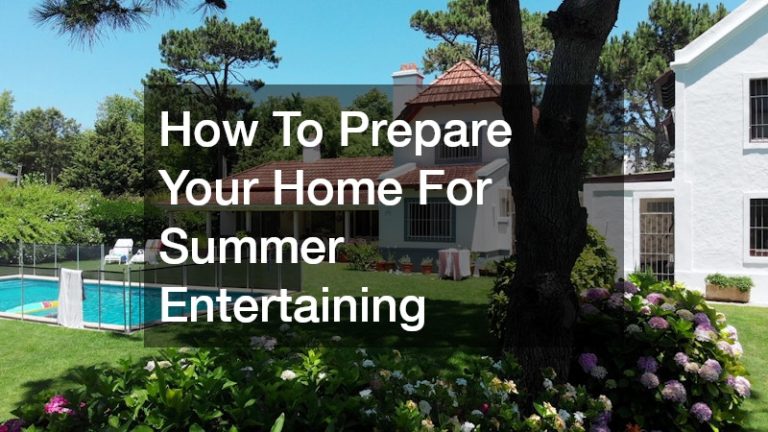
Pools tend to become the focal point of summer entertaining, especially for families with children. However, a pool area that looks worn or outdated can make the entire backyard feel neglected.
Cracked decking, faded finishes, broken lighting, or outdated seating arrangements become far more noticeable when guests are present. Addressing these issues before the entertaining season begins helps the space feel intentional and relaxing instead of stressful.
Some homeowners invest in pool renovations specifically because they want the pool area to function as a true gathering space rather than simply a recreational feature. Improvements may include resurfacing, updated tile, modern lighting, built-in seating, or expanded lounging areas.
Safety deserves equal attention. Slippery surfaces, broken gates, or poor nighttime visibility create unnecessary risks during gatherings. Guests should feel comfortable moving through the area without confusion or concern.
Enhancing Outdoor Appearance Before Guests Arrive
Creating Visual Warmth With Greenery
People form impressions of a home long before they walk through the front door. Overgrown lawns, patchy flowerbeds, or neglected pathways can unintentionally make an otherwise beautiful property feel unfinished.
Improving landscaping before summer entertaining does not require an elaborate redesign. In many cases, focusing on maintenance and visual balance creates the biggest improvement.
Trimmed hedges, defined garden edges, fresh mulch, and healthy greenery immediately make outdoor areas feel cared for. Plants also soften hard surfaces and create a more relaxed atmosphere for social gatherings.
Instead of attempting large-scale projects weeks before an event, many homeowners find success by focusing on high-impact areas:
- Front entrances
- Backyard seating zones
- Walkways leading to gathering areas
- Outdoor dining spaces
Container gardens work especially well for entertaining because they add color without requiring permanent changes. Large planters near patios or entryways can transform otherwise plain areas quickly.
The best entertaining landscapes are not necessarily the most elaborate. They simply feel intentional and comfortable.
Using Natural Materials to Define Gathering Areas
Outdoor spaces often feel incomplete when there is no visual structure guiding movement or activity. Guests may not know where seating begins, where pathways lead, or which areas are intended for gathering.
Decorative stone elements help create subtle organization without feeling overly formal. Many homeowners use landscape rocks to define fire pit areas, border pathways, improve drainage, or separate garden zones from seating spaces.
Natural materials also hold up well during heavy summer use. Grass can become muddy after watering or rain, especially during large gatherings. Stone pathways and gravel accents help maintain cleaner, more durable outdoor areas.
Texture plays an important role as well. Combining greenery with stone creates a visual contrast that makes patios and yards feel more layered and inviting.
One homeowner preparing for frequent backyard cookouts replaced a narrow dirt walkway with stone edging and crushed rock. The improvement was relatively inexpensive, yet guests immediately used the space more naturally because the path felt clearly defined.
Outdoor design works best when it quietly improves movement and comfort rather than demanding attention.
Addressing Maintenance Issues Before They Become Emergencies
Preventing Weather-Related Problems During Hosting Season
Summer entertaining often coincides with unpredictable weather. Sudden storms, heavy rainfall, and intense heat can expose home maintenance issues that remained hidden during cooler months.
Roof problems are especially disruptive because they tend to become noticeable at the worst possible moment. A small leak may seem insignificant until guests arrive during a thunderstorm.
Inspecting roofing before the entertaining season begins can help homeowners avoid last-minute stress. Missing shingles, clogged gutters, loose flashing, or water stains inside the home should never be ignored.
Professional roof repairs are often less expensive and less disruptive when handled early. Waiting until visible damage spreads typically increases both cost and inconvenience.
Some warning signs homeowners frequently overlook include:
- Granules are collecting near downspouts
- Sagging gutter sections
- Water spots in attic spaces
- Mold growth near ceilings
- Increased indoor humidity after rainstorms
Even homes without obvious leaks may still have vulnerabilities that worsen under summer weather conditions.
A well-maintained roof also improves comfort inside the home by supporting better insulation and temperature control during extreme heat.
Eliminating Safety Hazards Around Entertaining Areas
Cracked concrete becomes particularly problematic during gatherings because guests are often distracted while carrying food, drinks, or talking with others. Uneven walkways, loose patio sections, or damaged driveways create tripping hazards that are easy to overlook during daily life.
Summer heat can also worsen existing cracks by causing materials to expand and shift. What begins as minor cosmetic damage may eventually become a structural issue.
Addressing concrete repair before the entertaining season improves both appearance and safety. Patios, walkways, pool decks, and driveways should all be inspected carefully.
Some repairs are relatively simple, while others may require resurfacing or replacement, depending on severity. Either way, smooth and stable surfaces help gatherings feel safer and more polished.
Concrete improvements also contribute to comfort. Guests are more likely to linger in outdoor spaces that feel level, clean, and easy to navigate.
One subtle but important detail involves drainage. Standing water near patios or walkways creates slippery conditions and encourages mosquito activity. Proper grading and crack repair help eliminate these issues before summer gatherings begin.
Improving Access and Convenience Throughout the Property

Ensuring Entry Points Function Smoothly
When guests arrive for summer gatherings, the flow of movement into the home matters more than many homeowners expect. Front doors may remain the formal entrance, but garages often become heavily used during larger events.
People unloading coolers, outdoor games, folding chairs, or catering supplies frequently rely on garage access because it provides easier entry than navigating through the front of the home.
Unfortunately, garage systems that work “well enough” during everyday life can become frustrating during busy gatherings. Loud operation, delayed opening, inconsistent sensors, or jerky movement suddenly become far more noticeable.
Routine garage door repairs can help prevent embarrassing or inconvenient problems during events. Lubricating moving parts, testing safety sensors, inspecting springs, and replacing worn rollers often improve reliability considerably.
Homeowners should also evaluate lighting around garage entrances. Evening events become more welcoming when pathways and entry areas remain clearly visible.
One family hosting annual graduation parties realized their garage area consistently became congested because guests struggled with poor lighting and unreliable remote access. After upgrading lighting and servicing the door system, arrivals became noticeably smoother.
Convenience influences the overall tone of a gathering more than people often realize.
Modernizing Functional Exterior Features
Exterior access points affect both appearance and practicality. Older garage doors may function adequately yet still make the property feel dated or less inviting.
New garage doors can dramatically improve curb appeal while also providing better insulation and quieter operation. During summer, insulated systems help reduce heat transfer into adjacent rooms and garages.
Modern options also include smart technology that simplifies entertaining logistics. Smartphone-controlled access allows homeowners to manage deliveries, coordinate setup crews, or assist arriving guests without constantly leaving conversations.
Visual consistency matters too. Exterior upgrades should complement the home’s architectural style rather than compete with it.
Popular design choices currently include:
- Clean horizontal panel styles
- Natural wood finishes
- Frosted glass accents
- Matte black hardware
- Minimalist contemporary designs
These updates may seem subtle individually, but together they help create a more cohesive and polished environment for entertaining.
A thoughtfully maintained exterior signals that the home is cared for. Guests may not consciously analyze every detail, but they respond positively to spaces that feel functional, organized, and welcoming.
Creating a Home That Encourages Connection
The most memorable summer gatherings rarely depend on elaborate decorations or perfectly coordinated furniture. People remember comfort. They remember conversations that lasted long after sunset, children moving easily between indoor and outdoor spaces, and environments that felt relaxed rather than stressful.
Preparing a home for summer entertaining is ultimately about creating conditions that allow those moments to happen naturally. Small improvements often have the greatest impact because they remove distractions and inconveniences before guests ever notice them.
Fresh interiors, comfortable outdoor spaces, thoughtful maintenance, and functional gathering areas all contribute to a smoother experience for everyone involved. Some homeowners may focus on cosmetic updates, while others prioritize repairs or layout improvements. Both approaches matter because comfort depends on how the entire home functions together.
Entertaining becomes far more enjoyable when homeowners are not worrying about broken systems, cramped spaces, excessive heat, or unfinished projects. Instead, they can focus on welcoming people into an environment designed to support connection, conversation, and relaxation throughout the summer season.
About the Author