There is a quiet, profound weight to standing in the front yard at dusk, looking up at the silhouette of your house, and knowing that everything you love in this world is sleeping soundly underneath that roof. As fathers, we carry an unspoken instinct to protect our families from the elements, financial hardship, and the chaos of sudden household emergencies. We obsess over deadbolts, change the smoke detector batteries on schedule, and check the tire pressure on the family car before a road trip. Yet, the very shield that stands between our children’s bedrooms and torrential summer downpours, relentless winter freezes, and violent windstorms is frequently the most neglected component of the entire property.
A homeowner’s relationship with their roof often swings between two equally dangerous extremes: oblivious neglect and reckless DIY overconfidence. On one side, minor shingle imperfections and tiny flashing gaps go unnoticed for seasons until water stains spread across upstairs ceilings, insulation grows toxic mold colonies, and structural trusses rot. On the other side, an ambitious dad armed with an old aluminum ladder, a bucket of tar, and an appetite for weekend productivity charges up a steep pitch without fall protection, risking a catastrophic fall to save a few hundred dollars.
Inspecting the Envelope and Catching Minor Attic Leaks

The most dangerous assumption a homeowner can make is believing that a roof inspection begins on a high ladder out in the driveway. The safest, most revealing place to evaluate your roof’s true weather integrity is inside the dark, quiet space of your unfinished attic during or immediately following a sustained rainstorm. Water rarely enters a home directly above the ceiling stain that alerts you to a problem; surface tension allows moisture to enter through a pinhole breach outside, run down an angled rafter for fifteen feet, drop onto a ceiling joist, and pool in a low depression before finally soaking through the drywall.
Once the interior inspection is complete, step outside to examine the exterior surface from ground level using high-magnification binoculars. Focus your attention on the primary penetration points where dissimilar materials meet, as these interfaces account for over ninety percent of all residential moisture leaks. Inspect the neoprene rubber collars on plumbing vent pipe boots, which dry-rot and split from sun exposure every seven to ten years. Examine the metal step flashing woven into the sidewall siding along dormers, chimney saddles, and valley channels to ensure metal panels have not lifted, rusted through, or pulled away from the masonry mortar joints.
Catching these localized vulnerabilities early allows proactive fathers to perform cost-effective, preventative roof repairs before structural decking suffers irreversible dry rot. Minor tasks—such as applying a bead of high-grade UV-resistant elastomeric sealant around a dried plumbing collar, resealing lifted shingle tabs with a quarter-sized dab of roofing cement, or replacing a handful of wind-scuffed asphalt shingles—are manageable weekend projects that safeguard the integrity of the home.
However, recognizing your personal physical limitations is the ultimate fatherly responsibility. If your home features an aggressive roof pitch (such as an 8:12 or 12:12 slope), multi-story drop-offs, deteriorated roof decking that feels spongy underfoot, or complex intersecting valleys, climbing onto the surface transforms from a routine maintenance task into an immediate life-safety hazard. In these situations, partnering with licensed, insured residential roofers is the only smart move. Professional crews possess the specialized staging ladders, ridge anchors, and fall-arrest harnesses required to safely traverse steep pitches and execute precision repairs without putting a family’s primary provider in harm’s way.
Diagnosing Low-Slope Sections and Modern Material Alternatives
Architectural diversity adds beautiful character to family homes, but modern additions, wrap-around farmer’s porches, rear sunrooms, and detached garages frequently introduce low-slope or dead-level roof sections that demand entirely different building science. Standard three-tab and architectural fiberglass shingles rely entirely on gravitational water runoff; they are designed as overlapping shingles that shed water down a minimum slope of 4:12 (four inches of vertical rise for every twelve inches of horizontal run). When an unsuspecting homeowner installs traditional shingles on a low-pitch roof below a 2:12 slope, water does not shed fast enough; wind-driven rain easily backs up under the shingle laps, leading to severe, chronic interior leaks.
Addressing persistent standing water on these transitions requires specialized flat roof repair techniques using continuous membrane barriers. Unlike shingled pitches, low-slope roofs require a completely seamless, impermeable waterproof skin that can endure days of ponding water without weeping. For residential low-slope applications, self-adhering multi-ply modified bitumen systems or fully adhered single-ply membranes—such as thermoplastic polyolefin (TPO) or ethylene propylene diene monomer (EPDM) synthetic rubber—provide the necessary elastomeric protection. Applying high-solids silicone or polyurethane reflective coatings over aged, mechanically sound modified bitumen restores flexibility, seals hairline alligatoring, and reflects solar heat away from living spaces below.
For the main pitched sections of a home, forward-thinking fathers planning long-term property ownership increasingly weigh the upfront investment of upgrading to a standing seam metal roof. While traditional asphalt shingles carry an operational lifespan of fifteen to twenty-five years and remain vulnerable to high-wind blow-offs, premium concealed-fastener steel or aluminum panels offer continuous service lives exceeding fifty to seventy years.
Concealed-fastener architectural standing seam panels elevate the fastening screws beneath raised, interlocking seams, completely shielding the rubber-gasketed screws from direct sunlight, thermal expansion cycles, and rain. The durability of a metal assembly provides unmatched defense against wind uplifts exceeding one hundred twenty miles per hour, sheds heavy winter snowpack naturally to prevent ice dam formation, and carries a Class A fire rating that offers invaluable peace of mind when embers drift from a neighboring house fire or nearby brush blaze. Furthermore, many property insurance carriers offer substantial annual premium discounts for residences equipped with impact-rated metal panels, helping offset the higher initial installation cost over the life of the mortgage.
Job-Site Safety, Debris Management, and Yard Protection
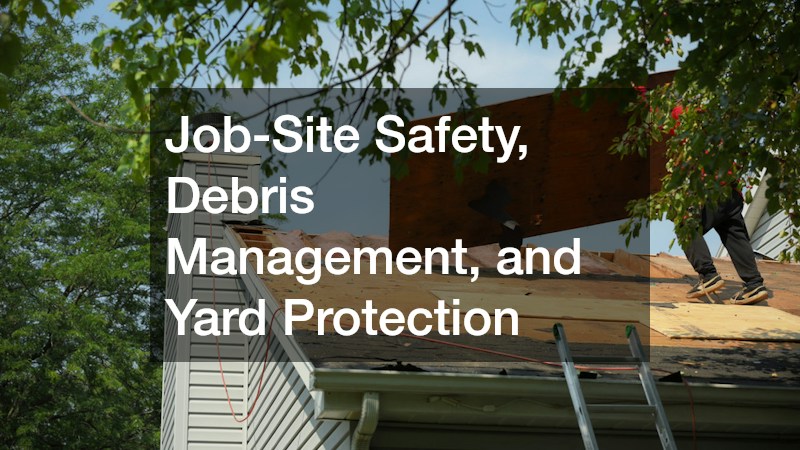
Every home renovation project carries risk, but working at elevation magnifies every single mistake. When you take on a substantial home exterior project, you are not simply acting as a tradesman; you are the general manager of a hazardous, active industrial job site in the middle of your family’s private sanctuary. Your primary objective from the moment the first tool is unboxed until the final scrap of trash is hauled away is ensuring that zero children, pets, or family vehicles are exposed to falling debris, exposed nails, or unstable ladder workstations.
Managing the physical demolition waste generated by even a modest repair or outbuilding re-roofing project demands advanced logistical planning. A single layer of asphalt shingles on a standard two-thousand-square-foot home weighs between five and eight thousand pounds when stripped from the decking. Stacking that volume of heavy, asphalt-saturated waste into the bed of a personal pickup truck or piling it on the lawn will quickly destroy turf, crack concrete driveways, and require exhausting trips to the local transfer station.
Renting a dedicated roll-off roofing dumpster is essential for keeping the job site organized, contained, and safe. Position the container on the driveway as close to the roof edge as practical, and always insist that the delivery driver place thick, heavy-duty three-quarter-inch plywood boards beneath the steel rollers to prevent the immense weight of the loaded bin from cracking or rutting the asphalt or decorative concrete driveway.
Elite residential roofers maintain an almost obsessive commitment to job-site cleanliness, and a smart homeowner should borrow their best containment practices. Before unfastening the first damaged shingle, drape heavy-duty woven poly tarps from the roofline over delicate foundation shrubs, flowering garden beds, and exterior air conditioning condenser units, angling the bottom edges directly into the disposal bin or onto a ground drop zone.
Equally vital is conducting rigorous magnetic sweeps throughout the property once the work wraps up. Stray roofing nails that bounce off tarps and hide inside lawn grass represent immediate flat-tire hazards for family vehicles and severe puncture dangers for children and dogs playing barefoot in the yard. Rent or purchase an industrial rolling floor magnet equipped with a quick-release handle, and make slow, overlapping passes across the entire lawn perimeter, driveway seams, and walkway borders until the magnet picks up zero metal fasteners.
Removing Organic Growth and Preserving Shingle Longevity

Take a drive through almost any established neighborhood and you will spot homes marred by dark, unsightly black streaks running down northern and eastern roof exposures. Many homeowners mistakenly assume these dark stains are caused by soot, tree sap, or dirt accumulation. In reality, those streaks are airborne colonies of Gloeocapsa magma, a hardy species of photosynthetic cyanobacteria that feeds directly on the powdered limestone filler used in modern fiberglass asphalt shingles. Over time, these bacterial colonies create a hospitable micro-environment for the colonization of green moss cushions and crustose lichens.
Allowing moss and lichen to flourish on your roof is not merely an aesthetic eyesore; it is an active mechanical threat to the structural lifespan of the roof. Mosses do not have traditional root systems; instead, they develop tiny, tenacious root-like anchoring filaments called rhizoids that work their way beneath the edges of asphalt shingle tabs. As the moss grows, it lifts the shingles upward, breaking the factory-applied thermal sealant strip that bonds overlapping courses together. Once those sealant bonds break, the shingles become vulnerable to wind-uplift blow-offs during routine storms.
Partnering with a certified, professional roof cleaning service guarantees the safe application of specialized chemical dwell solutions without destructive physical abrasion. Professional soft-wash technicians utilize low-pressure dedicated diaphragm pumps to gently mist a carefully balanced solution of sodium hypochlorite, water, and specialized biodegradable surfactants over the roof deck. The chemical dwell time sanitizes the surface, killing the bacteria, moss, and lichen spores down to the root structure within twenty minutes. The dead organic matter then washes away naturally with subsequent rainfalls, leaving the shingles clean, sanitized, and structurally intact.
When weighing long-term maintenance versus major overhauls, understanding the credentials of local contractors is critical. Searching through licensed roofing companies to identify certified, manufacturer-backed installers ensures you partner with vetted craftsmen who follow strict safety standards and carry active general liability and workers’ compensation coverage. Reputable organizations will happily provide written proof of manufacturer credentials (such as GAF Master Elite or CertainTeed ShingleMaster certifications), complete copies of active insurance certificates, and local client references from your specific neighborhood.
Storm Recovery, Severe Weather Protocols, and Complete Overhauls
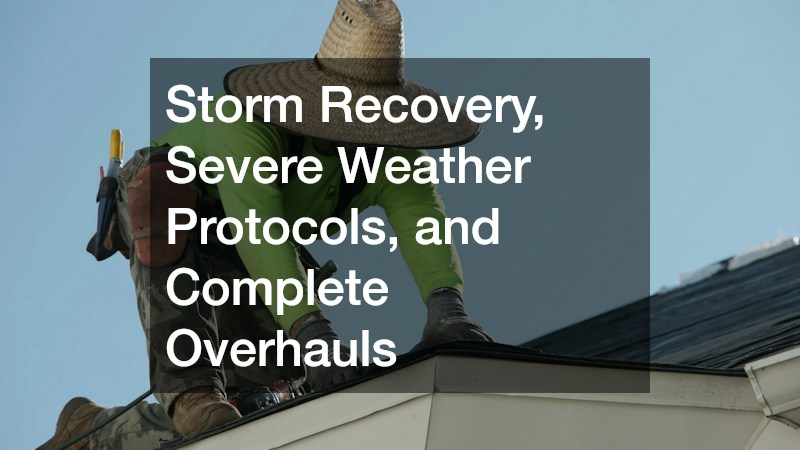
Even the most meticulously maintained roof can suffer catastrophic structural trauma when severe weather strikes. Violent convective thunderstorms, microbursts, tornadic wind shears, falling oak tree limbs, and large hail storms can instantly compromise the water-tight integrity of your building envelope. When disaster strikes in the middle of a torrential storm, panic is a father’s worst enemy. You must possess a calm, clear emergency response plan to stabilize the situation, protect your family’s living quarters, and begin systematic recovery operations.
During an active storm event, your focus must remain completely indoors. Never climb onto a rain-slicked roof during an active wind or lightning storm to attempt an exterior patch; doing so is an invitation to fatal falls and lightning strikes. If water begins pouring through an upstairs ceiling, quickly locate the center of the sagging drywall bulge and puncture a clean drainage hole through the ceiling plaster using a long screwdriver or drywall saw. Forcing the trapped water to drain through a controlled puncture into a plastic catch basin prevents the water from spreading laterally across the drywall, saving the ceiling structure from a catastrophic, room-wide collapse.
Once the storm clears and weather conditions stabilize, immediate exterior containment is mandatory to stop ongoing interior damage. Mobilizing an established emergency roofing company provides rapid, twenty-four-hour site stabilization. Professional disaster recovery teams possess the specialized equipment and heavy-duty, reinforced woven tarps needed to securely cap punctured roof decks, seal damaged valley channels, and install temporary wooden 2×4 batten strips that hold up against ongoing post-storm winds without blowing away.
Eventually, cumulative age, repeated storm exposure, and widespread material fatigue mean piecemeal repairs no longer make financial sense. When more than twenty-five to thirty percent of your roof shingles are brittle, curled, or missing, or when your current installation consists of multiple overlay layers hiding rotted decking beneath, you have reached the threshold where a local roof replacement is the only logical path forward. A comprehensive tear-off project removes all existing shingle courses down to bare structural decking, replaces rotted plywood sheathing, installs modern ice-and-water protective membranes along eaves and valleys, and builds a balanced ridge-and-soffit attic ventilation system that protects your investment for the next thirty years.
By grounding your maintenance strategy in sound building science, enforcing uncompromising job-site safety, knowing your personal physical limits, and cultivating dependable relationships with skilled local trade professionals, you master the balance of modern home stewardship. When the next midnight storm rolls in—rattling window panes, bending tall trees in the yard, and driving rain across the neighborhood—you will not lose a single minute of sleep. You will rest easy in the quiet dark, confident in the knowledge that the shelter protecting your family is sound, strong, and ready for whatever the sky delivers.
About the Author