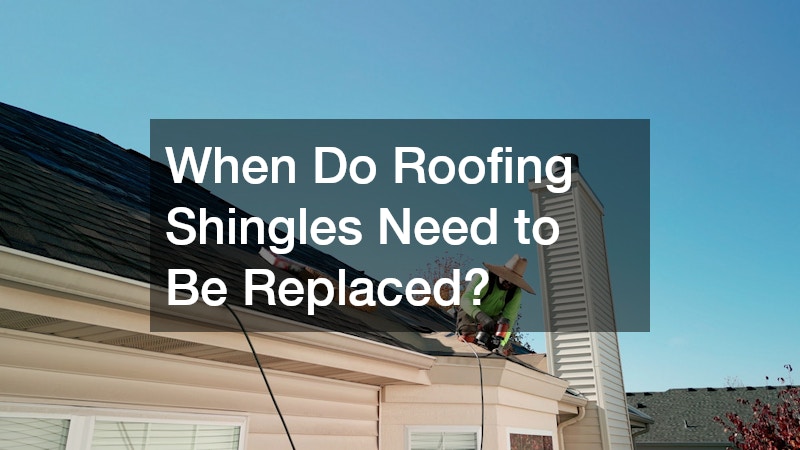
Understanding when to replace roofing shingles is crucial for maintaining the integrity and appearance of your home. Over time, shingles can wear down due to various factors such as weather conditions, age, and improper maintenance. Homeowners who neglect this aspect of home maintenance may face severe consequences including water leaks, structural damage, and increased energy costs. Regular inspections and timely replacement of shingles can prevent these issues and preserve the aesthetic value of your property. In this article, we’ll explore common questions about shingle replacement and provide valuable insights to help you make informed decisions.
1. What are the signs that roofing shingles need replacement?
1.1 Curling and Buckling Shingles
Curling and buckling shingles are a clear indication that shingle replacement may be necessary. These issues often arise from aging or exposure to harsh weather, causing the shingles to lose their protective granular surface. When shingles curl or buckle, they can no longer form a tight seal against water, leading to leaks and water damage. Inspect your roof regularly for curling shingles, especially after a storm or severe weather conditions. Early detection can save homeowners from more costly repairs down the line.
1.2 Missing Shingles
Missing shingles are not only unsightly but also a significant risk to your roof’s integrity. Shingles can be blown away by strong winds, leading to exposed areas susceptible to water infiltration. This can result in leaks and damage to the underlying structure, which might go unnoticed until significant harm is done. The presence of missing shingles also allows for direct sunlight and heat to enter the home, increasing energy bills. A timely replacement of roofing shingles ensures your home remains protected and energy-efficient.
1.3 Granules in Gutters
Finding granules in gutters is a sign that your shingles have started to deteriorate. The granules on shingles provide UV protection and weather guard, so their loss compromises shingle functionality. As shingles age, they shed these granules into your gutters, potentially clogging drainage systems and causing water overflow. This overflow can lead to water damage on walls and foundations, affecting the structural integrity of your home. Monitoring your gutters and addressing granule loss can preemptively prevent severe roofing issues.
1.4 Shingle Age Considerations
Shingle age is a significant factor in determining whether replacement is necessary. Most asphalt shingles have a lifespan of 20 to 25 years, beyond which point their efficiency and protective qualities diminish. Roofs older than 20 years should be professionally inspected even without visible damage, as underlying issues might exist. Besides the general wear and tear due to aging, shingles on older roofs might not meet current building codes. Proactively replacing aged shingles can enhance safety and align your home with contemporary standards.
1.5 Visible Roof Leaks
Visible roof leaks are a telltale sign that shingle replacement may be urgently needed. Leaks often occur when shingles are damaged, allowing water to penetrate the roof deck and enter the home. Left unaddressed, these leaks can cause extensive damage to interior ceilings, walls, and insulation. Identifying the source of leaks and replacing faulty shingles promptly can prevent further interior damage and expensive repairs. Homeowner vigilance in recognizing and responding to leaks is crucial in maintaining a safe and dry environment.
2. How does climate affect shingle lifespan?
2.1 Impact of Sun Exposure
Climate plays a pivotal role in the lifespan of roofing shingles, and sun exposure is one key factor. Prolonged exposure to UV rays can cause shingles to dry out and become brittle, leading to cracks and eventual failure. In regions with high sun exposure, shingles often require more frequent replacements due to accelerated deterioration. Reflective shingles or those with UV-resistant coatings can mitigate damage from sun exposure. Therefore, selecting the appropriate shingle type can significantly influence roof longevity in sunny climates.
2.2 Importance of Ventilation
Proper attic ventilation is crucial in maintaining the longevity of roofing shingles. Poor ventilation leads to heat buildup, which can cause shingles to warp or prematurely age. In humid climates, trapped moisture due to inadequate ventilation can promote mold growth, further compromising shingle integrity. Roof systems that incorporate effective ventilation allow heat and moisture to escape, preserving both the roof’s and home’s structural integrity. Ensuring your roof has adequate ventilation safeguards against premature shingle degradation.
2.3 Effects of Storms and Wind
Storms and strong winds have a significant impact on the durability of roofing shingles. High winds can lift shingles, breaking their seal and exposing the underlayment, while hail can cause surface pitting. Over time, sustained wind pressure can weaken the adhesion of shingles, necessitating replacement to avert water infiltration. To combat these elements, choosing shingles with high wind resistance ratings in storm-prone areas is advisable. Protecting the roof against environmental stressors sustains its structure and effectiveness.
2.4 Temperature Fluctuations
Frequent temperature fluctuations can reduce the lifespan of roofing shingles, especially in regions with harsh seasonal changes. Thermal expansion and contraction cause shingles to crack and lose their structural integrity over time. This cyclical strain can lead to premature aging and increased vulnerability to environmental damage. To mitigate risks, selecting shingles with flexibility to withstand temperature variations is critical. Investing in high-quality materials suited to your climate extends the operational life of your roof.
2.5 Impact of Humidity
Humidity levels greatly influence the condition and lifespan of roofing shingles. Excess moisture in the air can promote algae and mold growth, leading to unsightly stains and potential health risks. Moist shingles retain dampness, increasing the likelihood of rot and structural decay. In addition, damp-induced curling and warping necessitate frequent inspections and timely repairs. Utilizing shingles with enhanced moisture resistance can preserve the roof’s appearance and function in humid environments.
3. What are the costs involved in shingle replacement?
3.1 Labor Costs
Labor costs constitute a significant portion of the total expenses involved in shingle replacement. Hiring professionals ensures that the job is done correctly, but it typically carries a high price compared to DIY attempts. Labor charges vary depending on the complexity of the roof design, region, and contractor experience. It’s important to obtain multiple quotes from reputable contractors to gauge the fair market price for labor. Investing in skilled labor minimizes errors and potential issues down the road.
3.2 Material Costs
The cost of materials is another crucial factor in the overall expense of shingle replacement. Different shingle types, such as asphalt, metal, or tile, have varying cost points, impacting the total material expenditure. Choosing high-quality shingles can initially seem costly but often save on future maintenance and replacement expenses. Consider the long-term value offered by diverse material options before finalizing your purchase. Opting for durable, energy-efficient shingles can be a wise investment.
3.3 Disposal Fees
Disposal fees for old shingles must also be taken into account when considering replacement costs. Removing and disposing of the existing shingles can be labor-intensive and often requires additional resources. Proper disposal is vital to comply with local environmental regulations, averting potential fines. Some contractors include disposal costs in their initial estimates, so verifying these details beforehand is crucial. Responsible disposal practices contribute to environmental sustainability.
3.4 Permitting Costs
Permitting costs are a necessary consideration when undertaking shingle replacement. Many municipalities require permits to ensure roofing work adheres to safety and building standards. Failure to secure the required permits can lead to project delays and potential legal repercussions. Budgeting for these costs and understanding your local regulations helps streamline the replacement process. Checking with local authorities for specific permit requirements avoids unnecessary complications.
3.5 Hidden Expenses to Consider
Apart from the obvious costs, shingle replacement can incur hidden expenses, such as unforeseen repairs or additional materials. During replacement, previously unnoticed roof damage might surface, demanding further repairs that raise costs. It’s wise to allocate a contingency budget for unexpected expenses that may arise. Being prepared for potential cost increases ensures the project remains within your financial means. Conducting thorough inspections beforehand helps minimize surprises.
4. What types of shingles are best for replacement?
4.1 Asphalt Shingles
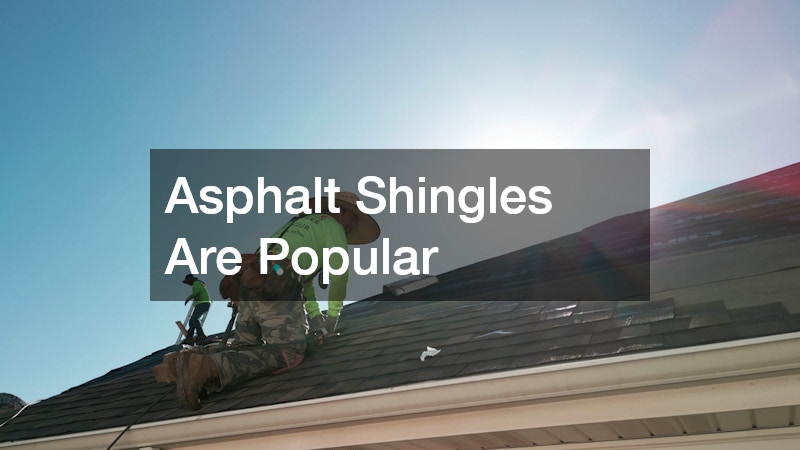
Asphalt shingles are widely favored for their affordability and versatility. Available in a plethora of colors and styles, these shingles accommodate diverse aesthetic preferences. Their simplicity in installation and maintenance makes them an ideal choice for many homeowners. Although cost-effective, asphalt shingles may require more frequent replacements than premium alternatives. Nonetheless, if you’re seeking a budget-friendly option without sacrificing style, asphalt shingles offer excellent value.
4.2 Metal Shingles
For those prioritizing durability and sustainability, metal shingles are a compelling choice. Known for their resilience against harsh weather and long lifespan, metal shingles can lower roofing expenses over the years. Though initially more costly than asphalt, their low maintenance requirements and potential energy savings often balance the scales. Metal shingles are also fire-resistant, adding an extra layer of safety to your home. Choosing metal shingles invests in a sturdy, long-lasting roofing solution.
4.3 Tile Shingles
Tile shingles are synonymous with elegance and longevity. Popular in warmer climates, tile roofs are recognized for their resistance to heat and minimal maintenance demands. The initial cost of tile shingles is high, but their unrivaled longevity frequently compensates over time. Offering excellent protection against natural elements, tile shingles are perfect for homeowners opting for luxury and lasting performance. However, their heavy weight necessitates a solid roof structure to support them.
4.4 Wood Shingles
Wood shingles offer a natural aesthetic appeal and environmentally-friendly option for roofing enthusiasts. Typically crafted from cedar or redwood, these shingles resist insects and provide effective insulation. While beautiful, wood shingles require regular maintenance to prevent mold and rot, particularly in humid environments. Their premium price reflects both the raw material cost and specialization required for installation. Despite these factors, wood shingles suit homeowners desiring rustic charm.
4.5 Composite Shingles
Composite shingles offer versatility and high performance for budget-conscious homeowners. Constructed from various materials, they mimic the appearance of wood and slate, all while delivering enhanced durability. Resistant to common roofing issues like warping or algae growth, composite shingles are a low-maintenance choice. Their affordability and extensive warranties often outweigh the initial higher cost of high-quality selections. For those seeking contemporary design solutions with longevity in mind, composite shingles serve as an apt choice.
5. Can I replace shingles myself or should I hire a professional?
5.1 Evaluating Skill Level
When considering replacing shingles, evaluating your skill level plays an essential role in deciding whether to DIY. Roofing involves more than just basic tools and materials; it requires knowledge of safety protocols and repair techniques. Beginners attempting roof repairs risk personal injury and improper installation, leading to costly future repairs. It’s also crucial to consider your comfort with heights and ability to manage prolonged physical labor. Thoroughly assessing your abilities helps determine whether professional assistance is the wiser choice.
5.2 Safety Considerations
Safety considerations are paramount in deciding between a DIY approach or hiring professionals for shingle replacement. Working on a roof introduces risks of falls and accidents; hence, proper safety gear and awareness are essential. DIY enthusiasts should understand that inappropriate handling or errors could invalidate warranties or cause irreparable structure damage. Meanwhile, professionals are equipped with safety experience and adhere to industry standards to avert hazards. Prioritizing safety often means consulting experts to safeguard well-being and ensure a high-quality finish.
5.3 Pros and Cons of DIY
Undertaking a roofing project yourself presents distinct advantages and drawbacks. DIY projects can save labor costs, provide a sense of achievement, and sometimes allow for personalized scheduling. However, the lack of professional expertise increases the risk of potential mistakes, costly mishaps, and eventual roof leaks or damage. Moreover, the time and effort invested may overshadow financial savings, particularly for large-scale tasks. Analyzing the project scope thoroughly helps weigh the real benefits of a DIY attempt against potential risks.
5.4 Finding Qualified Professionals
If opting for professional installation, finding qualified contractors ensures a successful replacement. Begin by seeking recommendations from friends or neighbors and exploring online reviews for trusted companies. Verify credentials, insurance, and licensing to confirm compliance with local requirements—safeguarding against workmanship issues. Gathering multiple estimates enables informed decision-making, allowing for fair comparisons between services offered. A qualified professional installation reassures homeowners of quality results and investment protection.
5.5 Cost Comparisons of DIY vs Professional
Cost comparisons are integral to deciding between DIY shingle replacement or hiring professionals. While upfront DIY costs might seem lower, factoring in potential mistakes, equipment rentals, and time can offset initial savings. Conversely, professional services involve higher immediate expenses but encompass warranties and added value benefits. Long-term costs associated with incorrect DIY installation may exceed professional fees significantly. Evaluating financial implications comprehensively aids in reaching a prudent decision based on personal circumstances.
Choosing the right time to replace roofing shingles is essential for protecting your home. By recognizing signs of wear, understanding environmental impacts, and evaluating costs, you can ensure a safe and efficient replacement process that fits your needs. Whether opting for a DIY approach or hiring a professional, informed decisions enhance your roofing experience. As technology and materials evolve, staying up-to-date with developments ensures your roof remains safe and efficient. Ultimately, timely replacements and maintenance extend your roof’s lifespan, securing the long-term value of your home.
About the Author