This article explores metal roofing, addressing common inquiries among homeowners and construction professionals to provide a comprehensive understanding. Metal roofing‘s popularity stems from its durability and energy efficiency, suitable for both residential and commercial applications. This guide aims to assist those considering metal roofing, offering valuable insights for informed decisions.
By the end, you’ll have a clear picture of the advantages and considerations associated with metal roofing.
1. What Are the Benefits of Metal Roofing?
Durability and Longevity
Metal roofing is celebrated for its durability, with lifespans ranging from 40 to 70 years, surpassing traditional asphalt’s 12 to 20 years. Homeowners gain security knowing their investment is safeguarded against harsh weather. Many metal roofs come with up to 50-year warranties, highlighting their longevity. This makes metal roofing an excellent long-term investment for any homeowner.
Energy Efficiency
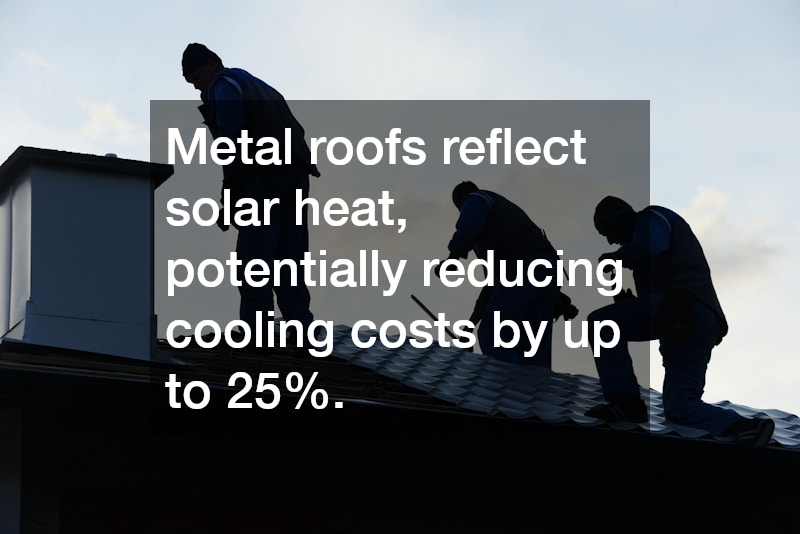
Metal roofs reflect solar heat, potentially reducing cooling costs by up to 25%. Reflective coatings enhance energy savings, appealing to eco-conscious individuals. In colder months, metal roofs retain heat, contributing to annual energy efficiency and substantial utility savings.
Environmental Friendliness
Metal roofs are eco-friendly, made primarily from recycled materials and recyclable at their end of life, unlike asphalt shingles that often end in landfills. Their energy efficiency reduces heating and cooling energy needs, positioning metal roofing as a sustainable option. Choosing metal roofing contributes positively to reducing environmental footprints.
2. How Does Metal Roofing Compare to Other Roofing Materials?
Cost Analysis
While metal roofing’s initial cost can be higher than asphalt, long-term savings from reduced maintenance and repair, coupled with energy savings, lower overall costs. Potential tax rebates and insurance discounts for energy efficiency enhance cost-effectiveness. This makes metal roofing an appealing option for budget-conscious homeowners.
Performance and Maintenance
Metal roofs resist damage from fire, wind, and hail, demanding less maintenance than asphalt or wood. Their performance, thorough inspections, and debris removal reinforce the structure’s longevity and cost benefits. As a result, homeowners can enjoy peace of mind knowing their roof is securely protecting their home.
Aesthetic Considerations
Available in diverse styles, colors, and finishes, metal roofing suits traditional and modern architectures. Innovations allow for traditional aesthetics with metal’s durability and customization options for variety in appearance. This versatility ensures that metal roofing can meet any design requirement.
3. What Are the Different Types of Metal Roofing?
Standing Seam
Standing seam metal roofing boasts a modern look and excellent weather resistance. Vertical panels with interlocking seams ensure watertight performance in rain and snow, enhancing aesthetic and functional appeal. Its sleek design can complement any modern home exterior.
Metal Shingles
Metal shingles mimic traditional shingle appearances while offering durability and energy efficiency, ideal for historic homes or style-sensitive neighborhoods. Lightweight and easy to install, they blend seamlessly with various architectures.
Metal Tiles and Shakes
Metal tiles and shakes emulate classic clay or wood aesthetics, offering a durable, low-maintenance option especially beneficial in severe weather regions. Interlocking panels enhance aesthetic and functional cohesion. Their versatility allows adaptation to various architectural styles.
4. How Is Metal Roofing Installed?
Preparation and Inspection
Successful metal roof installation starts with inspecting and repairing the existing structure. Cleaning the roof surface aids adhesion. These steps ensure support and performance over time. Ensuring a strong base lays the foundation for long-term roof reliability.
Installation Techniques
Installation uses clips, screws, and concealed fasteners for secure, weather-resistant attachment. Adhering to guidelines secures a watertight, long-lasting roof, increasing lifespan and effectiveness. Proper techniques are vital for maximizing the roof’s functional benefits.
Common Mistakes to Avoid
Avoid common installation mistakes like ignoring thermal movement, improper fastener placement, or inadequate sealing to prevent leaks and structural issues. Using quality materials and following guidelines ensures sound installation. Awareness of these pitfalls leads to a significantly longer-lasting roof.
5. Is Metal Roofing Suitable for All Climates?
Performance in Hot Climates
Reflective metal roofs minimize heat absorption in hot climates, reducing cooling loads and energy costs. Cool roof coatings further enhance this suitability. This feature makes metal roofing a top choice for regions that experience intense sunlight.
Effectiveness in Cold Climates
Metal roofing effectively clears snow and ice in cold climates, preventing damage. Proper insulation aids in maintaining warmth and energy efficiency. This capability makes metal roofing an excellent option for colder environments.
Resistance to Extreme Weather
Metal roofs offer resilience against extreme weather, enduring winds up to 140 mph, debris, and wildfires, ensuring protection and minimizing repair needs. This resilience makes metal roofing a smart choice in areas prone to severe weather conditions.
Metal roofing provides durability, energy savings, and eco-friendliness for residential and commercial buildings. Its array of styles and finishes meets aesthetic and practical needs, promising years of reliable protection and efficient performance, making it a wise investment.
About the Author