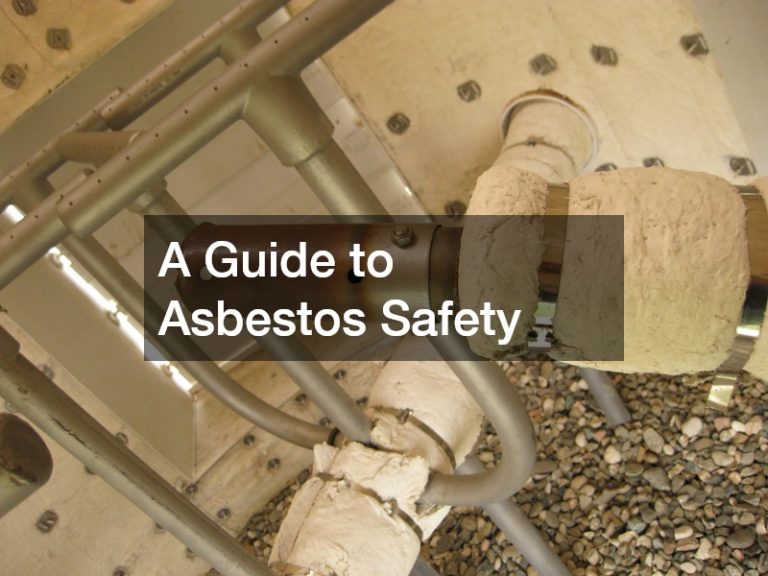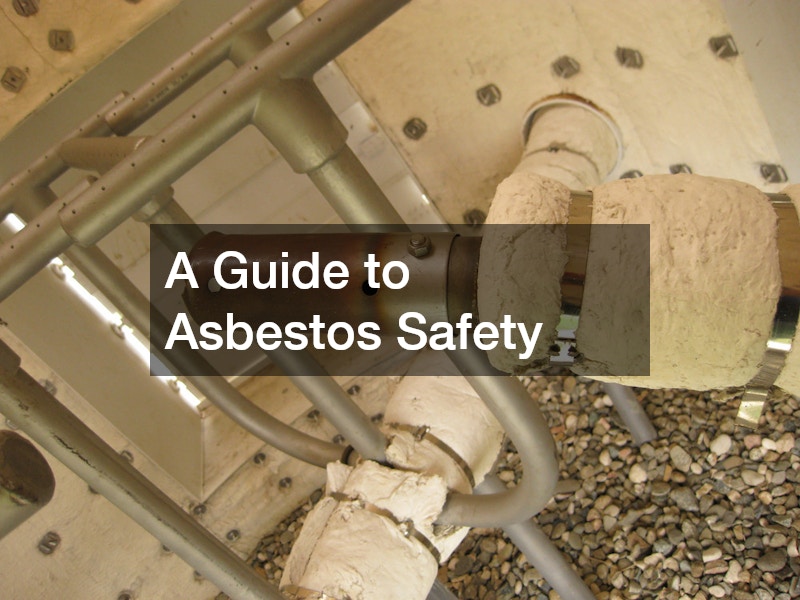
Asbestos is a naturally occurring mineral fiber valued for its durability, fire resistance, and insulating properties. Despite these beneficial uses, asbestos poses significant health risks, making safety knowledge crucial for preventing exposure.
What is Asbestos and Why is it Hazardous?
Asbestos consists of silicate minerals with long, fibrous crystals, noted for their durability and heat resistance, leading to widespread use in various industries. Common applications included insulation, roofing, and cement products due to its robust properties. Asbestos fibers, easily inhaled and trapped in the lungs, cause severe health issues, leading to regulations reducing its use.
Despite reductions, identifying asbestos in older infrastructures is essential for safety management. Awareness of possible asbestos presence and proper management is critical to preventing exposure. Vigilance and adherence to safety procedures are necessary for environmental and occupational safety.
Health Risks Associated with Asbestos Exposure
Inhalation of asbestos fibers can lead to serious respiratory conditions such as asbestosis, lung cancer, and mesothelioma. Symptoms often appear decades after exposure, with the World Health Organization attributing hundreds of thousands of deaths annually to asbestos exposure. The risk of disease increases with exposure level and duration, especially among workers in construction and manufacturing. Even low-level exposure, particularly in homes with degrading materials, poses potential health issues over time.
Common Myths and Misconceptions about Asbestos
A misconception is that all asbestos-containing materials (ACMs) are immediately hazardous. Undisturbed ACMs generally pose little risk unless damaged. Public education is critical to conveying accurate asbestos risk realities.
Another myth is that modern buildings are asbestos-free; however, it may still be present in new products where legally permitted. Homeowners often incorrectly assume newer constructions lack asbestos, potentially delaying necessary precautions. Recognizing asbestos potential in both old and new structures is crucial.
How to Identify Asbestos in Buildings?
Signs of Asbestos Presence in Older Buildings
Buildings constructed before the 1980s are likely to contain asbestos materials. Asbestos can be present in insulation, tiles, roof shingles, and textured paints. Its presence is often not visually apparent, necessitating professional inspection for verification. Aging materials pose increased risk by releasing fibers when disturbed.
Professional Asbestos Inspection: What to Expect
A professional asbestos inspection involves thorough examination of a building for asbestos materials, using visual inspections and sample analysis. Asbestos removal services provide detailed reports with findings and management recommendations. The process starts with gathering building information, followed by a walk-through and potential sampling for lab testing. Professional inspections provide crucial clarity for effective management and abatement strategies.
Legal Requirements for Asbestos Identification
Legal frameworks require asbestos risks to be identified and managed according to safety standards. Property owners, particularly of commercial or rental properties, must conduct thorough inspections and document asbestos presence, with failure leading to significant legal liabilities. Employers must provide safe work environments, minimizing employee asbestos exposure. Professional inspections help comply with legal obligations and maintain comprehensive documentation of asbestos findings.
What are the Safety Measures for Handling Asbestos?
Personal Protective Equipment (PPE) for Asbestos
Adequate PPE, including respirators, coveralls, gloves, and eye protection, is essential in handling asbestos. Respirators must effectively filter asbestos fibers, offering more protection than regular masks. PPE should be carefully removed to avoid spreading fibers.
Safe Asbestos Removal Techniques
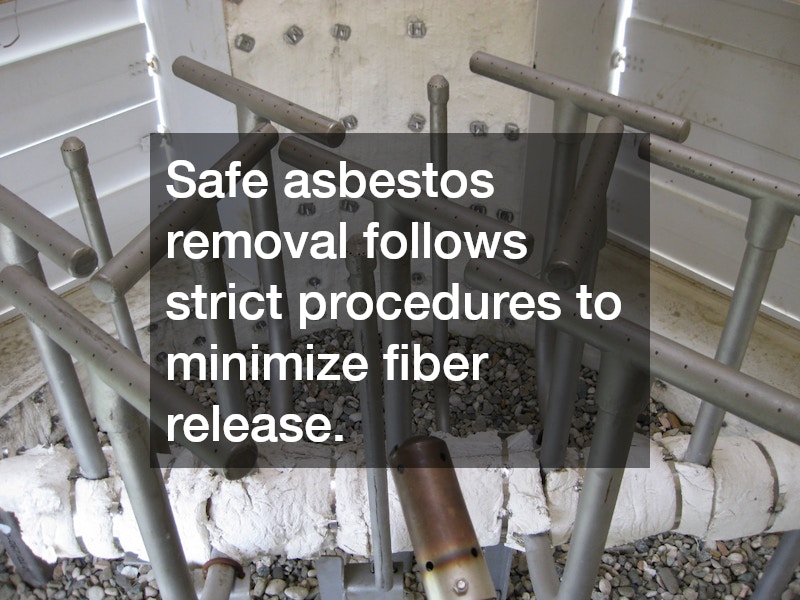
Safe asbestos removal follows strict procedures to minimize fiber release, conducted by licensed professionals familiar with regulatory compliance. Methods like wetting down materials and sealing work areas prevent contamination spread. Planning ensures successful removal, including protective strategies and emergency procedures, with cleanup and proper waste disposal as critical final steps.
Disposal Methods for Asbestos-containing Materials
Asbestos waste disposal involves specialized processes compared to regular waste, with licensed sites for secure disposal. Properly sealed and labeled containers prevent fiber escape, and compliance with transportation regulations minimizes risks.
What Should I Do if Exposed to Asbestos?
Immediate Steps Following Asbestos Exposure
Suspected asbestos exposure necessitates immediate risk minimization by removing clothing and showering to prevent fiber spread. Medical advice and notifying authorities help assess impacts and ensure prompt remedial action, with documenting incidents aiding future claims.
Long-term Health Monitoring and Check-ups
Ongoing medical monitoring is crucial for detecting asbestos-related conditions early. Regular lung health check-ups and tailored monitoring programs help manage potential health effects, with proactive healthcare reducing complications.
Legal and Medical Assistance for Affected Individuals
Legal advice can guide compensation claims for asbestos exposure, with medical assistance focusing on occupational disease specialists. Combining legal and medical support empowers individuals to manage exposure impacts effectively.
Coping with Anxiety and Stress Resulting from Exposure
Asbestos exposure can cause stress and anxiety, managed by building support networks and seeking professional advice.
Asbestos safety is a critical public health issue due to severe risks from fiber exposure. This guide offers insights into identifying, managing, and mitigating asbestos risks effectively through awareness, management, and education.
About the Author