When the temperature drops, few things are more frustrating than discovering that your furnace will not start. A home that should feel warm and inviting can quickly become uncomfortable and even unsafe in colder weather. Fortunately, many non-starting furnace issues can be solved with a few simple checks. This guide walks you through three practical steps that will help you diagnose common problems, handle issues with the pilot light, and take preventive measures to reduce the chances of future breakdowns. By understanding these steps, you can stay prepared and confident while keeping your home comfortable throughout the season.
1. How Can I Diagnose the Problem With My Furnace?
Before calling for help, you can run through several quick checks to identify why your furnace may not be starting. Many furnace problems are related to simple oversights or minor issues that can be corrected in minutes.
Check the Thermostat Settings
Start by confirming that your thermostat is set to heat. It is surprisingly common for thermostats to be switched to cool or off by accident. Also make sure the temperature setting is higher than the current indoor temperature. If the thermostat uses batteries, consider replacing them in case they are drained.
Inspect the Power Supply
Your furnace requires power regardless of whether it runs on gas, electricity, or oil. Visit your electrical panel and check for any tripped circuit breakers. Reset any that appear switched off. Locate the power switch near the furnace as well. Sometimes this switch is turned off during maintenance or cleaning. Restoring power may be all your furnace needs to start working again.
Ensure the Gas Supply Is On
If you are using a gas furnace, make sure the gas valve supplying the unit is open. The valve is usually located along the gas line near the furnace. A closed valve will prevent the burners from igniting. If you suspect a wider gas issue in your home, contact your gas provider immediately.
2. What Should I Do if My Furnace Pilot Light Is Out?
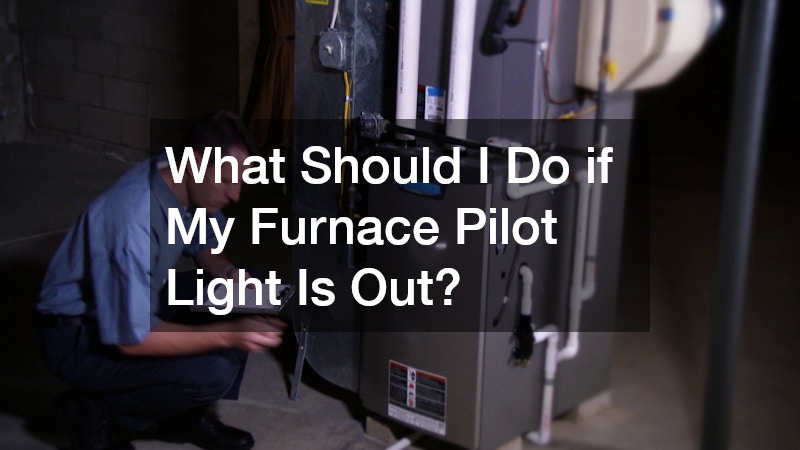
If your furnace relies on a standing pilot light, a non-starting furnace may simply mean the flame has gone out. A few careful steps can help you relight it safely.
Understand How to Safely Relight the Pilot Light
First, review your furnace’s manual for specific instructions. Every furnace model has slightly different procedures for relighting the pilot. Most require switching the gas control to the pilot position, pressing and holding a reset button, and using a lighter or built-in igniter. If you smell gas, do not attempt to relight the flame. Leave the area and contact your gas provider.
Inspect the Thermocouple
The thermocouple is a safety device that ensures the pilot flame is present. If it is misaligned or covered in soot, it may shut off the gas supply even when the flame is lit. A gentle cleaning or slight realignment can often restore normal function. If the thermocouple appears damaged, it will need to be replaced.
Check for Gas Supply Interruption
In addition to ensuring the main gas valve is open, confirm that there are no other interruptions in supply. For homes with propane systems, check the tank gauge. An empty tank will prevent both the pilot light and the furnace from operating.
3. Are There Any Maintenance Tasks to Prevent Furnace Issues?
Regular maintenance is key to preventing furnace failures. Small, consistent tasks can significantly extend the life of your system and improve performance.
Regular Filter Replacement
Replace your furnace filters every one to three months. Clogged filters restrict airflow, reduce efficiency, and can even cause the furnace to shut down. Clean filters help your furnace distribute warm air more effectively.
Schedule Annual Furnace Inspections
A yearly inspection by a qualified technician is one of the best ways to catch issues before they become costly repairs. Professionals can check internal components, test safety systems, and fine tune the burner and blower.
Clean Around the Furnace
Keep the surrounding area free of dust, clutter, and any flammable materials. A clean environment promotes proper airflow and reduces the risk of fire hazards.
A furnace that will not start can be alarming, but many issues have simple solutions. By checking the thermostat, ensuring power and gas supply, addressing pilot light problems, and performing regular maintenance, you can keep your furnace running smoothly throughout the colder months. When the problem goes beyond basic troubleshooting, contacting a trusted heating professional can provide peace of mind and reliable warmth. If you ever need expert help, consider reaching out to a provider that specializes in local furnace repair for fast and dependable service.
About the Author