
Outdoor areas can become worn, damaged, or difficult to use over time. Repairing these problems can improve both appearance and functionality without requiring a complete property makeover. Before starting, homeowners should assess existing surfaces, identify underlying problems, and plan materials and debris removal. Taking these steps can make outdoor improvement projects more manageable and help create results that last.
Inspect High-Traffic Surfaces Before Making Repairs
Begin by walking around the property and identifying surfaces that receive frequent vehicle or foot traffic. Driveways, parking areas, walkways, and patios can deteriorate faster than less-used areas, particularly when cracks, drainage problems, or surface damage are left unaddressed.
If a property includes a private parking area, parking lot repair may be necessary when deterioration creates uneven surfaces, potholes, or other hazards. Before deciding on a repair, look at the extent of the damage and determine whether the underlying surface is still structurally sound.
Create a simple inspection list covering:
- Cracks and potholes.
- Uneven or sunken areas.
- Standing water.
- Loose surface material.
- Stains or discoloration.
- Damaged edges.
- Areas where vegetation is growing through cracks.
Take photographs of problem areas so you can compare their condition later. Pay particular attention to damage that appears to be spreading or returning after previous repairs.
DIY repairs may be appropriate for minor cosmetic problems, but extensive deterioration can indicate an underlying issue. If the base beneath a surface has shifted or drainage is contributing to repeated damage, simply filling cracks may not solve the problem.
Choose Durable Finishes for Frequently Used Areas
Once problem areas have been identified and repaired, consider whether a more durable finish could help protect surfaces from everyday wear. Outdoor spaces are exposed to moisture, temperature changes, vehicle traffic, dirt, and other conditions that can gradually damage unprotected materials.
For surfaces that need additional protection, heavy duty epoxy products may be useful in appropriate applications. Epoxy coatings can provide a durable finish on certain compatible surfaces, but homeowners should verify that the product is designed for outdoor use and suitable for the specific material.
Before applying a coating:
- Clean the surface thoroughly.
- Repair cracks and damaged areas.
- Remove loose or deteriorating material.
- Check moisture conditions.
- Follow the manufacturer’s preparation requirements.
- Confirm that weather conditions are suitable.
Do not use a coating to hide structural problems. A new finish may look good initially but can fail if the surface underneath is unstable, damp, or contaminated.
Product selection also matters. Read the manufacturer’s instructions carefully, particularly regarding surface preparation, curing time, temperature, and application conditions. Choosing a finish based on the actual demands of the space can help create a more durable outdoor improvement.
Refresh Metal Features With Appropriate Preparation
Metal railings, gates, outdoor furniture, fencing, light fixtures, and other exterior features can become faded, scratched, or corroded. Repainting these elements can provide a relatively simple way to refresh an outdoor space, provided the existing surface is prepared correctly.
Homeowners looking for suitable coatings may encounter aluminum metal paint suppliers when researching products for specific metal surfaces. The important consideration is choosing a coating compatible with the material and intended outdoor conditions.
Before painting metal:
- Remove dirt and grease.
- Strip loose or peeling paint.
- Sand rough areas as appropriate.
- Address visible corrosion.
- Use a compatible primer when required.
- Apply the recommended number of coats.
Do not assume that every exterior paint will adhere properly to aluminum or other metals. Check the product specifications before purchasing.
Surface preparation often has a greater effect on the finished result than simply adding another coat of paint. Paint applied over dirt, loose coating, or oxidation may peel prematurely.
Take time to inspect the metal after cleaning it. If corrosion has caused significant deterioration, replacing the component may be more practical than attempting to restore it. For sound metal features, however, proper preparation and an appropriate exterior coating can significantly improve their appearance.
Clear Unused Items Before Starting New Projects
Outdoor improvements are easier to plan when homeowners can clearly see the areas being renovated. Old furniture, broken equipment, unused landscaping materials, and other accumulated items can make it difficult to determine what needs to be repaired or replaced.
Before beginning a major project, sort outdoor belongings into categories such as items to keep, donate, recycle, or discard. This can reveal how much usable space is actually available and prevent unnecessary materials from getting in the way.
Consider arranging junk removals for large amounts of unwanted material that cannot be handled through regular household disposal. This can be particularly useful when an outdoor project involves removing old structures, damaged materials, or bulky items.
A basic cleanup plan can include:
- Removing broken outdoor furniture.
- Clearing unused materials.
- Separating recyclable items.
- Relocating belongings that will be kept.
- Identifying debris that requires special handling.
Avoid beginning demolition or construction until you have a plan for what will happen to the resulting waste.
A clean work area also makes it easier to identify cracks, drainage problems, pest activity, and other issues that may have been hidden by clutter. Clearing the space first can therefore serve both practical and inspection purposes.
Use Masonry Repairs to Restore Damaged Features
Brick walls, stone paths, retaining structures, outdoor fireplaces, and other masonry features can develop cracks, loose components, and deteriorated joints. Repairs should begin with determining whether the damage is primarily cosmetic or indicates a larger structural problem.
Stone masonry can create durable and attractive outdoor features, but existing stonework still requires regular inspection. Look for loose stones, widening cracks, damaged mortar, leaning walls, or sections that appear unstable.
Before beginning repairs, identify the materials already used in the structure. New materials should be compatible in appearance, strength, and application.
For minor projects, homeowners may need:
- Replacement stones or bricks.
- Appropriate mortar.
- Hand tools.
- Cleaning supplies.
- Protective equipment.
- Measuring tools.
Masonry work can require considerable skill, particularly when repairing load-bearing walls or retaining structures. Significant movement, large cracks, or unstable sections should be evaluated by an appropriately qualified professional.
Do not simply cover damaged masonry with a new finish. Water infiltration, movement, or foundation problems can continue underneath the surface.
For smaller cosmetic repairs, careful preparation and compatible materials can help restore the appearance of outdoor masonry while preserving the character of the existing feature.
Restore Worn Concrete Before Replacing It
Concrete surfaces can become stained, cracked, rough, or discolored without necessarily needing complete replacement. Depending on the condition of the existing material, resurfacing may provide a practical way to improve its appearance.
Concrete resurfacing can be considered for suitable surfaces that remain structurally sound. Before choosing this approach, inspect the concrete for major cracking, movement, settlement, or other problems that could compromise the finished result.
Start by evaluating:
- The depth and extent of cracks.
- Surface flaking or spalling.
- Drainage around the slab.
- Uneven sections.
- Existing stains.
- Areas exposed to repeated moisture.
The surface must generally be cleaned and prepared according to the resurfacing system being used. Dirt, grease, loose material, and incompatible coatings can interfere with adhesion.
Resurfacing should not be treated as a solution for every concrete problem. If the slab has significant structural damage or continues to move, a new surface layer may eventually crack or fail as well.
For sound concrete with primarily surface-level deterioration, however, resurfacing can provide a refreshed appearance without removing the entire existing slab. Homeowners should follow the manufacturer’s instructions for preparation, application, curing, and weather conditions.
Match Materials to the Outdoor Project
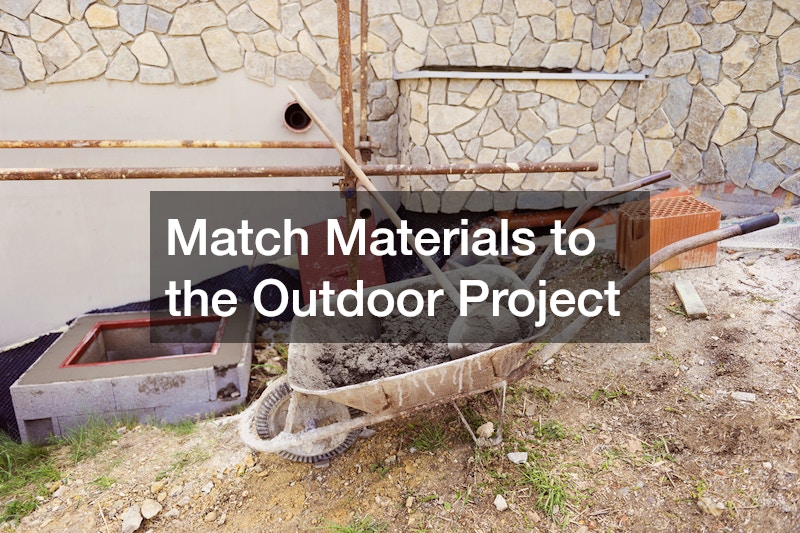
Different outdoor repairs require different materials, and choosing products based solely on price can lead to disappointing results. Consider the location, intended use, exposure to weather, and existing construction before purchasing supplies.
When repairing masonry features, for example, masonry supplies should be selected based on the type of project and materials already present. Mortar, repair compounds, sealants, and other products can have different properties and applications.
Before shopping, make a project-specific materials list covering:
- Structural materials.
- Surface repair products.
- Fasteners.
- Sealants.
- Protective coatings.
- Tools and safety equipment.
- Cleanup materials.
Check manufacturer instructions and product specifications rather than assuming that similar-looking materials can be substituted.
Compatibility is especially important when adding new materials to existing surfaces. A product that works well on one type of concrete, stone, brick, or metal may not perform the same way on another.
Buying everything before inspecting the project can also result in unnecessary purchases. Measure the area first, identify the actual repair requirements, and account for reasonable material waste.
A thoughtful materials plan can reduce interruptions and help homeowners avoid using an inappropriate product simply because it is already available.
Inspect Outdoor Areas for Signs of Pest Damage
Outdoor repairs should include more than surface improvements. Pests can damage structures and create problems that may remain hidden until deterioration becomes significant.
Inspect wooden fences, decks, sheds, porches, landscaping structures, and other vulnerable areas for signs of insect activity. Look for damaged wood, small holes, discarded wings, mud tubes, or other unusual conditions.
If you discover evidence of an infestation, termite treatments may be appropriate depending on the pest involved and the extent of the problem. Homeowners should identify the source of the issue before repairing damaged materials.
A basic inspection can include:
- Checking exposed wood.
- Looking around foundations.
- Inspecting sheds and detached structures.
- Examining areas where wood contacts soil.
- Looking for moisture problems.
- Checking previously damaged sections.
Do not simply replace visibly damaged wood without determining whether an active pest problem remains.
Moisture can also contribute to conditions that attract or support certain pests. Fixing drainage problems, leaks, and areas of standing water may therefore be part of a broader property maintenance strategy.
For significant infestations or structural damage, professional evaluation can help determine the appropriate treatment and whether additional repairs are necessary.
Plan Debris Removal Before Construction Begins
Every significant outdoor project creates waste. Old concrete, broken masonry, damaged landscaping materials, packaging, soil, and other debris can quickly overwhelm normal household trash collection.
Before starting demolition or major repairs, determine how much waste the project could generate. A small cleanup may be manageable through regular disposal options, while larger renovations may require dumpsters or another dedicated solution.
Dumpster rentals can be useful for projects involving substantial quantities of nonhazardous construction debris. Choose the container size based on the expected volume rather than waiting until debris has already accumulated.
Plan for:
- Where the container will be placed.
- How materials will be loaded.
- What materials are accepted.
- How long the container will remain.
- Whether the placement area is accessible.
- Whether local rules affect placement.
Keep prohibited materials out of the container and confirm disposal requirements with the provider.
A debris plan can also improve safety by preventing piles of broken material from accumulating around walkways and work areas. Removing waste as the project progresses keeps the site more manageable and makes it easier to see what work remains.
Use Proper Materials for New Concrete Work
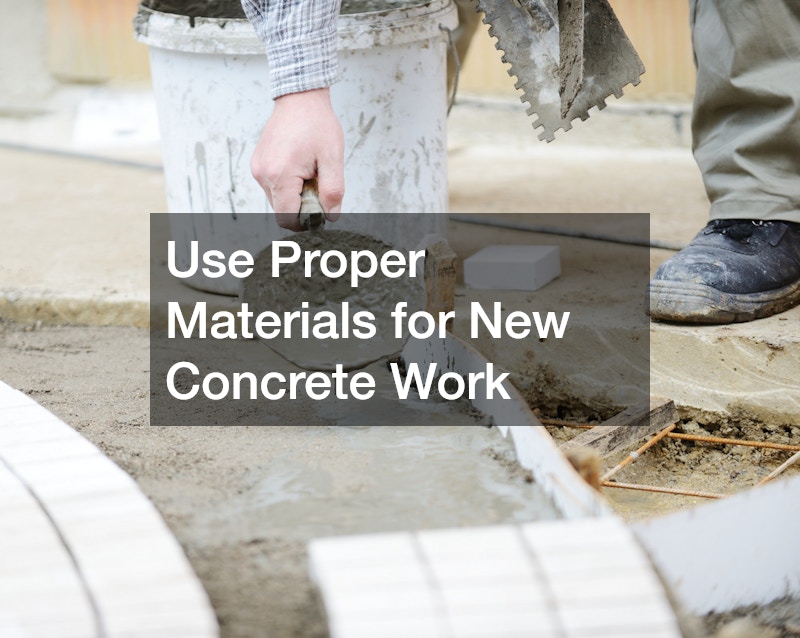
Some outdoor projects involve adding new concrete rather than repairing an existing surface. This could include a small walkway, pad, step, patio section, or other feature.
Concrete ready mixes can simplify certain projects by providing pre-formulated material that is prepared according to the manufacturer’s directions. However, the appropriate product depends on the size, purpose, and conditions of the project.
Before pouring new concrete, consider:
- The dimensions of the area.
- Required depth.
- Base preparation.
- Drainage.
- Reinforcement needs.
- Weather conditions.
- Curing requirements.
The ground beneath the new surface is particularly important. Poor preparation can contribute to settling, cracking, or unevenness later.
Homeowners should also determine whether the project is appropriate for DIY construction. Larger slabs, structural elements, complex grading, and areas supporting substantial loads may require professional expertise.
Follow the product’s mixing, placement, finishing, and curing instructions carefully. Avoid rushing the curing process simply because the surface appears firm.
Good preparation can have a major effect on how a new concrete feature performs over time. A durable outdoor improvement starts beneath the finished surface, not just with the concrete placed on top.
Outdoor improvements can make a property safer, more functional, and more attractive. By addressing damage, choosing appropriate materials, and planning each project carefully, homeowners can make meaningful upgrades without unnecessarily replacing sound features. Larger or structural problems may require professional help, but thoughtful planning can make any project easier to manage.
About the Author